

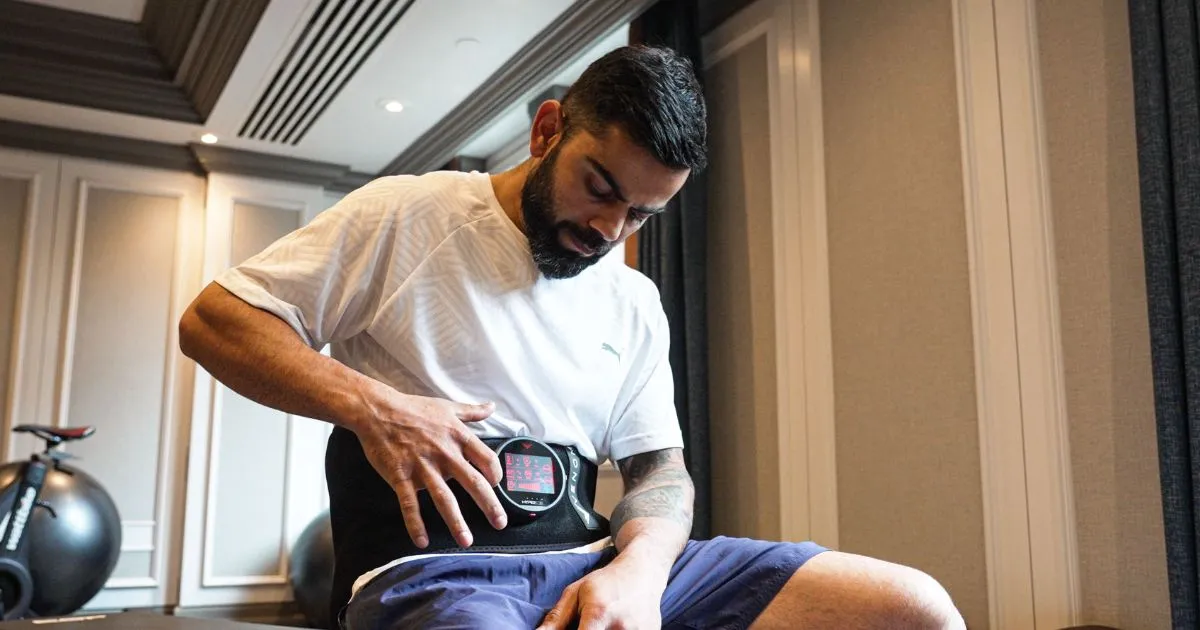
Yoga for cricket flexibility has become a quiet game-changer for modern cricketers who want smoother movement, faster recovery, and longer careers. From fast bowlers charging in for long spells to batters holding deep stances for hours, cricket demands a level of mobility that traditional gym training alone often fails to provide. Yoga steps into this gap by working on flexibility, control, and body awareness in a way that feels natural rather than forced.
Cricket may look graceful on television, but every match puts enormous strain on hips, hamstrings, shoulders, and the lower back. Over time, tight muscles limit range of motion, increase injury risk, and reduce performance consistency. This is why many players, from academy level to international stars, are turning to yoga as a core part of their training routine.
Why Flexibility Matters So Much in Cricket
Flexibility is not about touching toes for style points. In cricket, flexibility directly affects technique, efficiency, and injury prevention. A bowler with tight hips struggles to rotate fully through the delivery stride. A batter with restricted hamstrings may lose balance while playing front-foot shots. A wicketkeeper with stiff ankles will feel it during long sessions behind the stumps.
Good flexibility allows joints to move freely and muscles to lengthen under control. This reduces unnecessary strain and helps players maintain proper form even under fatigue. When flexibility improves, movements become smoother, faster, and more repeatable across long spells and extended matches.
Yoga focuses on functional flexibility, meaning it improves movement patterns that are directly useful on the field rather than just increasing passive range of motion.
How Yoga Fits Naturally Into Cricket Training
Cricket is a sport of rhythm and coordination. Yoga complements this beautifully by emphasizing breath control, alignment, and mindful movement. Unlike high-impact workouts, yoga sessions can be adjusted to match the demands of training days, rest days, or recovery phases.
Many cricketers initially approach yoga to fix a specific issue such as back pain or shoulder stiffness. Over time, they notice broader benefits like improved balance, better posture, and enhanced focus during matches. Yoga becomes less of a corrective tool and more of a performance enhancer.
Because yoga works with body weight and controlled movement, it suits players of all ages and fitness levels. This accessibility makes it easy to integrate into both individual and team routines.
Yoga for cricket flexibility and Injury Prevention
One of the strongest arguments for Yoga for cricket flexibility is its role in injury prevention. Cricket injuries often stem from muscle imbalances, restricted mobility, and repetitive stress. Yoga addresses these issues by promoting symmetry, joint stability, and controlled strength through full ranges of motion.
For fast bowlers, yoga helps protect the lower back and hips, areas commonly affected by the repetitive bowling action. For batters, it supports shoulder mobility and spinal rotation, reducing strain during aggressive shots. Fielders benefit from improved groin and hamstring flexibility, which lowers the risk of sudden pulls while sprinting or diving.
Regular yoga practice also improves proprioception, the body’s ability to sense movement and position. This awareness helps players react more efficiently and avoid awkward, injury-prone positions.
Real-Life Stories from the Cricket World
Many professional cricketers have quietly credited yoga for extending their careers and improving consistency. Players who once battled recurring injuries found relief after committing to regular yoga sessions. Others noticed subtle but important changes, such as feeling lighter on their feet or recovering faster between matches.
There are stories of bowlers who regained rhythm after back injuries by focusing on spinal mobility through yoga. Batters who struggled with balance found stability through improved core engagement and hip flexibility. These experiences highlight that yoga is not about becoming more flexible for its own sake but about moving better as a cricketer.
Such examples reinforce the credibility of yoga as a performance tool rather than a fitness trend.
Flexibility vs Mobility and Why Yoga Addresses Both
Flexibility and mobility are often used interchangeably, but they are not the same. Flexibility refers to how far a muscle can stretch, while mobility includes strength and control within that range. Cricket requires both.
Yoga develops flexibility while simultaneously training muscles to remain active and stable. Holding poses builds strength at end ranges, which is crucial for dynamic cricket movements. This combination reduces the risk of overstretching and supports joint integrity.
For example, improved hip mobility allows smoother bowling actions and deeper batting stances without compromising balance. Yoga ensures that new ranges of motion are usable and safe under match conditions.
Yoga for cricket flexibility Across Different Formats
The physical demands of cricket vary across formats, but flexibility remains essential in all of them. Test cricket tests endurance and posture over long hours. Limited-overs formats demand explosive movement and quick recovery between games.
Yoga adapts well to these differences. Longer, slower sessions support recovery and mental calm during heavy schedules. Shorter, dynamic flows prepare the body for intense action in shorter formats.
This versatility makes yoga suitable for year-round practice, regardless of the competition calendar. Players can adjust intensity without abandoning the benefits of flexibility and control.
Breathing and Its Impact on Movement Quality
One often-overlooked aspect of yoga is breathing. Controlled breathing enhances flexibility by reducing muscular tension and improving oxygen delivery. In cricket, efficient breathing supports endurance and composure during pressure situations.
When players learn to breathe deeply and rhythmically, movements become smoother and less forced. This is particularly useful during long spells in the field or extended batting sessions.
Breath awareness also supports recovery. It helps activate the parasympathetic nervous system, promoting relaxation and faster muscle repair after matches or training.
Building Core Stability Through Yoga
Core strength is essential for transferring force efficiently in cricket. Yoga strengthens the core in a balanced way, engaging deep stabilizing muscles rather than relying solely on superficial strength.
A stable core supports spinal alignment during bowling and batting, reducing stress on the lower back. It also improves balance while running, fielding, and changing direction.
Unlike repetitive core exercises, yoga challenges stability through varied positions and transitions. This functional strength translates more effectively to on-field movements.
Mental Benefits That Support Physical Flexibility
Physical flexibility is closely linked to mental state. Stress and anxiety often cause muscle tension, limiting range of motion. Yoga addresses this connection by calming the mind and releasing unnecessary tightness.
Cricketers who practice yoga regularly often report feeling more relaxed and confident in their bodies. This mental ease allows muscles to move freely, improving overall flexibility.
The mindful aspect of yoga also helps players tune into early signs of stiffness or fatigue. Addressing these signals early prevents minor issues from escalating into injuries.
Yoga as a Recovery Tool for Cricketers
Recovery is as important as training in modern cricket. Tight schedules and travel can leave little time for proper rest. Yoga offers an effective recovery option that supports circulation, flexibility, and relaxation.
Gentle yoga sessions on rest days help flush out soreness and restore movement without adding fatigue. This keeps players fresh for upcoming games and training sessions.
Recovery-focused yoga also improves sleep quality by reducing nervous system arousal. Better sleep directly supports performance, focus, and injury resilience.
Yoga for cricket flexibility in Youth Development
Introducing yoga at a young age builds healthy movement habits that last into professional careers. Young cricketers often grow rapidly, leading to coordination issues and muscle tightness. Yoga supports balanced development during these growth phases.
By learning proper alignment and movement awareness early, young players reduce the risk of overuse injuries. They also develop patience and discipline, qualities that support long-term success in cricket.
Coaches who include yoga in youth programs often notice improved posture, smoother technique, and better focus among players.
Integrating Yoga Into a Weekly Training Routine
Yoga does not replace strength or skill training. It complements them. Even two to three short sessions per week can make a noticeable difference in flexibility and movement quality.
Some teams use yoga as part of warm-ups to prepare joints and muscles. Others schedule longer sessions after matches to aid recovery. Individual players often prefer morning sessions to loosen the body and reset mentally.
Consistency matters more than duration. Regular practice gradually improves flexibility without overwhelming the body.
Trust and Expertise Behind Yoga Practice
Yoga’s effectiveness in cricket is supported by both scientific research and practical experience. Sports physiotherapists and strength coaches increasingly recommend yoga-based mobility work as part of holistic training programs.
Qualified yoga instructors with sports experience understand how to adapt practices for athletic needs. This expertise ensures that poses are safe, purposeful, and aligned with cricket-specific demands.
When practiced correctly, yoga becomes a reliable and evidence-informed tool rather than a generic fitness activity.
Long-Term Benefits Beyond the Playing Career
Flexibility gained through yoga does not disappear when competitive cricket ends. Many former players continue practicing yoga to stay active, pain-free, and mentally balanced.
The habits built through yoga support lifelong movement health. This long-term perspective adds another layer of value, especially for players considering life after cricket.
By investing in flexibility early, cricketers protect not just their careers but their overall quality of life.
Read also :-
sharjah warriors vs desert vipers match scorecard
punjab kings vs mumbai indians timeline
gujarat titans vs rajasthan royals match scorecard
west indies cricket team vs australian men’s cricket team match scorecard
karachi kings vs islamabad united match scorecard
zimbabwe national cricket team vs pakistan national cricket team match scorecard