

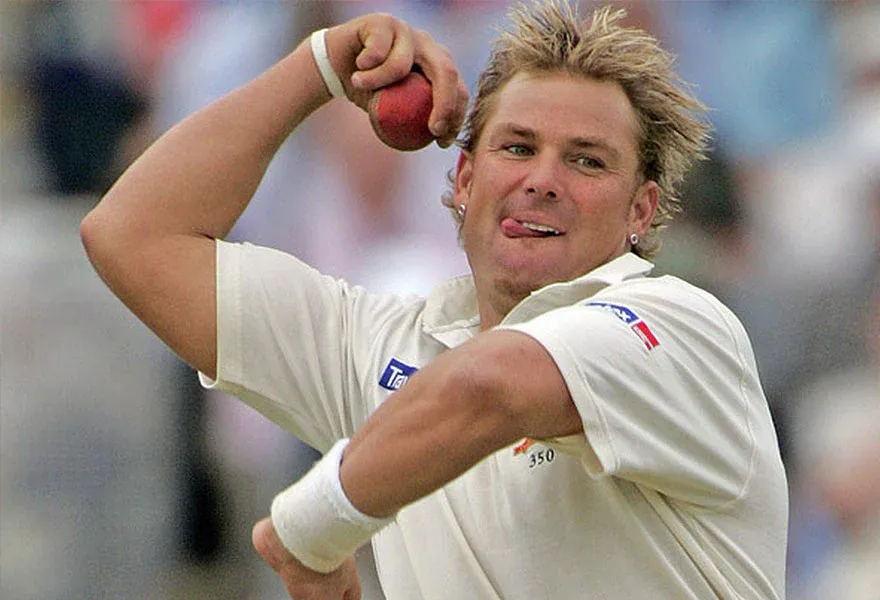
Spin Bowling Tips & Tricks can turn an average bowler into the player everyone fears when the pitch slows down and the pressure rises. I still remember the first time I tried spin in a real match—my “leg spin” looked more like a gentle throw, and the batter casually stepped out and hit me over midwicket.
That day taught me something important: spin bowling isn’t magic. It’s skill. It’s craft. And most of all, it’s repetition with purpose.
Whether you’re a beginner trying to land the ball on the pitch or an intermediate spinner trying to beat batters consistently, this guide will help you bowl with more control, more turn, and more confidence—without sounding like a textbook.
Why Spin Bowling Feels Hard (And Why That’s Normal)
Fast bowling gives instant feedback. You run in, hit the deck, and you know if it was quick or short.
Spin bowling is different. Sometimes you bowl a “good ball” and it gets hit. Other times you bowl a “bad ball” and it takes a wicket. That can mess with your mindset.
The real goal of spin is not just to spin the ball. It’s to build pressure, force mistakes, and make the batter doubt every step they take.
Once you understand that, spin becomes less confusing—and much more exciting.
The Real Secret: Control Beats Turn Every Time
Most new spinners chase big turn. They want the ball to rip like Shane Warne on day five.
But in real cricket—especially club cricket or local matches—control is the biggest wicket-taking weapon. If you can land 5 out of 6 balls in the same area, batters start taking risks.
And when batters take risks, wickets happen.
A spinner who turns it a little but lands it perfectly will outperform a spinner who turns it a lot but sprays it everywhere.
Getting the Grip Right Without Overthinking It
Grip is where spin begins, but it’s also where many players ruin everything by squeezing too hard.
If your grip is too tight, your wrist locks.
If your wrist locks, your fingers can’t roll.
If your fingers can’t roll, the ball won’t spin properly.
So think of it like holding a biscuit. Firm enough that it doesn’t fall, soft enough that it doesn’t break.
Your grip should feel relaxed but secure, like you’re “guiding” the ball rather than forcing it.
The moment you feel tension in your forearm, you’re losing spin.
Wrist Position: The Difference Between “Nice Try” and “Dangerous”
A spinner’s wrist is like a steering wheel.
If your wrist collapses, the ball floats.
If your wrist stays strong, the ball bites the surface.
Here’s a simple mental cue: keep your wrist “tall.”
Not stiff like a robot, but stable like a pillar.
When you release the ball, your wrist should stay behind it—not fall sideways.
This is what creates that sharp dip and late movement that batters hate.
The Most Common Mistake: Trying Too Hard to Spin It
Let’s be honest—every spinner has done this.
You bowl one ball that turns nicely. Next ball, you try to spin it even more… and it becomes a full toss or a half-tracker.
That happens because you’re forcing the action instead of repeating it.
Spin comes from rhythm, not effort.
When you try too hard, you lose your length.
When you lose your length, the batter relaxes.
When the batter relaxes, you lose the battle.
The best spinners look effortless because they trust their technique.
Spin Bowling Tips & Tricks for Perfect Line and Length
The quickest way to improve your spin bowling is to master one simple thing: where the ball lands.
A spinner’s best friend is a consistent landing spot.
Imagine a small dinner plate on the pitch. Your job is to hit it again and again until the batter feels trapped.
The best length for most spinners is slightly fuller than you think. Not a half-volley, but full enough to tempt the batter forward.
That’s how you create doubt:
“Should I come forward or stay back?”
And doubt creates wickets.
Flight: The Art of Making the Batter Think
Flight isn’t just “throwing it up.” Flight is controlling how long the ball stays in the air and how it drops.
If you bowl too flat, the batter sees everything early.
If you bowl too loopy without control, the batter just waits and hits.
The sweet spot is a flight that looks hittable but lands safely.
A good flight makes the batter step out.
A great flight makes them step out at the wrong time.
When you flight the ball well, you don’t need extreme spin. The batter creates the mistake for you.
Drift: The Hidden Weapon Most Spinners Ignore
Drift is when the ball moves sideways in the air before pitching.
Many spinners don’t even realize they’re capable of it. But drift is deadly because it messes with the batter’s judgment.
A batter thinks the ball is coming at their pads, then it drifts away and takes the edge. Or they reach for it and miss completely.
Drift happens when:
Your wrist is aligned properly
Your seam position is stable
Your release is clean and relaxed
If you’re struggling to get drift, don’t chase it directly. Fix your release and wrist strength first, and drift will appear naturally.
Variations: Use Them Like a Smart Bowler, Not a Magician
Variations are important, but too many spinners fall in love with them.
They bowl a googly, then a flipper, then something “new,” and suddenly they don’t know what they’re doing anymore.
The best spinners build their game around one stock ball.
Your stock ball should be:
Accurate
Repeatable
Hard to hit
Good enough to build pressure
Then variations become surprise weapons, not desperate tricks.
The Off-Spinner’s Game Plan (Simple and Effective)
If you’re an off-spinner, your job is to challenge the batter’s patience.
To a right-handed batter, the ball turning away is your biggest threat. Your line should make them play.
Bowl a tight channel outside off stump.
Keep the batter defending.
Wait for the loose shot.
The wicket ball often isn’t the one that turns the most. It’s the one that looks identical to the last five balls.
That’s the trap.
The Leg-Spinner’s Game Plan (Controlled Chaos)
Leg-spin is exciting because it feels unpredictable—even to the bowler sometimes.
But great leg-spinners aren’t wild. They’re calculated.
Your job is to make the batter unsure:
Will it turn big?
Will it go straight?
Will it bounce more?
To do that, your stock leg-break must be consistent.
Once your leg-break lands well, your googly becomes twice as dangerous because the batter can’t read it early.
Leg-spin is a mind game, but control is still the foundation.
How to Bowl a Deadly Stock Ball Every Over
A stock ball is the one you can bowl under pressure.
If the match is tight and your captain says, “Just bowl tight,” your stock ball should save you.
To build a stock ball:
Use the same run-up every time
Keep your head still at release
Repeat the same arm speed
Aim at one spot, not “somewhere good”
When your stock ball becomes automatic, you start thinking like a real spinner—not a nervous one.
Reading the Batter Like a Spinner Should
Spin bowling is not only about what you do. It’s about what the batter shows you.
Watch their feet:
If they’re stuck in the crease, tempt them forward with flight.
If they’re charging, pull the length back slightly.
If they sweep early, go wider and slower.
Watch their hands:
If they’re playing with hard hands, edges will come.
If they’re soft and calm, you need patience.
The best spinners don’t guess. They observe.
Setting Your Own Field Mentally (Even If Captain Doesn’t)
Even if your captain sets the field, you should have a plan.
Ask yourself:
Where is my catch going to come from?
Am I bowling for an edge or a mis-hit?
Am I attacking stumps or teasing outside off?
If you’re bowling outside off, you want the batter reaching.
If you’re bowling at the pads, you want them stuck and late.
Spin bowling becomes easier when you bowl with a purpose, not just “trying something.”
Spin Bowling Tips & Tricks to Take More Wickets Under Pressure
Wickets don’t always come when you want them. That’s why pressure matters.
Here’s the truth: most wickets in spin happen because the batter gets bored or frustrated.
Your job is to make scoring uncomfortable.
If the batter can’t rotate strike, they try something big.
If they try something big, they risk the wicket.
So don’t chase wickets every ball. Build them.
One over of tight bowling can win you a wicket in the next.
That’s the spinner’s power.
The Power of Bowling Slower (Yes, Slower)
Many spinners bowl too fast because they’re afraid of getting hit.
But when you bowl too quick:
The batter has less time to make a mistake
The ball doesn’t dip as much
The turn looks smaller
Your variations become useless
Bowling slightly slower gives your ball time to drop, grip, and surprise.
It also forces the batter to generate power themselves, which increases chances of mistimed shots.
Slower doesn’t mean weak. It means smarter.
Match-Day Routine That Makes You Feel “In Rhythm”
Spin is heavily dependent on feel.
If you warm up badly, you’ll bowl badly.
Before a match, spend time doing:
Gentle wrist rotations
Smooth run-up rehearsals
A few slow deliveries focusing only on landing spot
You’re not trying to impress anyone in warm-up. You’re trying to find rhythm.
The best feeling is when your first over starts and you already know where the ball will land.
That confidence changes everything.
Handling Getting Hit: The Spinner’s Mindset Shift
Every spinner gets hit. Even legends.
The difference is how you respond.
Bad response:
Bowl faster
Bowl flatter
Try random variations
Lose your plan
Good response:
Breathe
Stick to your stock ball
Adjust your length slightly
Wait for the batter to make the next mistake
Sometimes getting hit once is a gift. It shows you the batter’s plan.
Your job is to stay calm and counter it.
The “One Change Only” Rule (A Game-Changer)
Here’s a practical rule that saves spinners in tough overs:
If you get hit, change only one thing.
Not everything.
Change either:
Your line
Or your length
Or your pace
Or your flight
If you change all at once, you lose your identity and the batter wins.
Small adjustments keep you in control and make you dangerous again quickly.
Practice That Actually Improves You (Not Just Sweating)
Many players “practice” spin by bowling 2 overs in nets and leaving.
That’s not practice. That’s just activity.
Real improvement happens when you train with intent.
Instead of trying to bowl perfect balls every time, focus on one skill per session:
Landing spot control
Flight consistency
Googly accuracy
Bowling slower without losing shape
You’ll improve faster when you simplify.
Spin bowling rewards patient training more than any other skill in cricket.
Learning From Real Examples (A Spinner’s Shortcut)
One of the best things you can do is watch great spinners closely.
Not just their highlights—watch their quiet overs.
Notice how often they:
Bowl the same ball repeatedly
Change pace slightly
Set up batters slowly
Stay calm after being hit
That’s the real lesson.
Wicket-taking deliveries are the final chapter. The story is built ball by ball.
When to Attack and When to Defend
Spin bowling is a balance.
Attack when:
New batter arrives
Batter is overconfident
Pitch is gripping
Field is set for catches
Defend when:
Short boundaries are in play
Batter is set and reading you well
You need to stop singles
Match situation demands control
The smartest spinners can do both. They don’t always “go for wickets.” They go for the right outcome.
The Most Reliable Way to Improve in 14 Days
If you want quick progress, make this your two-week challenge:
Bowl with the same run-up and action every day.
Focus on landing the ball in the same area repeatedly.
Keep your pace slightly slower than normal.
Track your consistency, not your turn.
By day 14, your control will improve dramatically.
And once you have control, your turn becomes more threatening automatically.
Final Skill: Make the Batter Feel Like You’re Always in Control
The most dangerous spinner isn’t the one who spins it the most.
It’s the one who looks calm, repeats their skills, and makes the batter feel trapped.
When a batter feels trapped, they rush.
When they rush, they guess.
When they guess, they lose.
That’s how spin bowling wins matches.
And if you keep applying Spin Bowling Tips & Tricks with patience, your bowling won’t just improve—it will start feeling like a weapon your team depends on.
Read also:
dallas mavericks vs celtics match player stats
new orleans pelicans vs memphis grizzlies stats
memphis grizzlies vs boston celtics match player stats
boston celtics vs orlando magic match player stats