

Electric vehicle technology is no longer a futuristic concept whispered about in innovation labs. It is already reshaping the way we commute, travel, and think about energy. From city streets in Delhi to highways in California, electric cars, buses, and two-wheelers are becoming part of daily life.
Just a few years ago, range anxiety and charging delays were common concerns. Today, improvements in battery design, charging infrastructure, and smart connectivity are solving those issues faster than most people expected. The transformation is real, visible, and accelerating.
As someone closely following automotive innovation and sustainable mobility trends, I’ve seen how this shift isn’t just about vehicles. It’s about energy ecosystems, digital intelligence, and long-term environmental responsibility.
The Evolution of Electric Vehicle Technology
The journey of electric mobility actually started in the 19th century. Early electric cars existed before gasoline vehicles dominated the roads. However, limited battery performance and cheap fossil fuels slowed progress for decades.
Fast forward to the 21st century, and electric vehicle technology has entered a new era. Lithium-ion batteries, advanced power electronics, and AI-powered management systems have changed everything. Modern electric vehicles are no longer compromises. They are high-performance machines that compete head-to-head with traditional internal combustion engine cars.
When Tesla launched long-range EVs with impressive acceleration, the world noticed. Soon after, global automakers invested billions into research and development. Today, nearly every major brand has committed to electrification.
The speed of innovation is staggering. New battery chemistries, lightweight materials, and intelligent software updates are constantly redefining what’s possible.
How Electric Vehicle Technology Works
At its core, electric vehicle technology replaces the internal combustion engine with an electric motor powered by a rechargeable battery pack. But beneath that simple explanation lies a complex and intelligent system.
The battery pack stores electrical energy. The inverter converts direct current into alternating current to power the motor. The motor then turns the wheels. A regenerative braking system captures energy during braking and sends it back to the battery, improving efficiency.
Unlike traditional cars with hundreds of moving parts, electric vehicles have fewer mechanical components. This reduces wear and tear, lowers maintenance costs, and improves long-term reliability.
Behind the scenes, advanced battery management systems monitor temperature, voltage, and performance in real time. These systems ensure safety, extend battery life, and optimize efficiency.
Battery Innovations Powering Electric Vehicle Technology
Battery development is the heart of electric vehicle technology. Without breakthroughs in energy storage, widespread EV adoption would not be possible.
Lithium-ion batteries remain the most common choice, but research is rapidly advancing. Solid-state batteries promise higher energy density, faster charging, and improved safety. Some manufacturers are already testing prototypes that could double range while reducing charging time dramatically.
In India, where two-wheelers dominate urban transport, compact battery packs are being optimized for short-distance commuting. In contrast, heavy-duty electric trucks require large battery modules with robust cooling systems.
Battery recycling and second-life usage are also becoming major priorities. Companies are developing systems to repurpose used EV batteries for energy storage in homes and commercial buildings. This approach strengthens sustainability while reducing environmental impact.
As battery costs continue to decline, electric vehicle technology becomes more accessible to middle-income consumers worldwide.
Charging Infrastructure and Smart Grids
One of the most critical elements of electric vehicle technology is charging infrastructure. Without reliable charging networks, adoption slows.
Today, charging options include home chargers, workplace stations, and fast public charging hubs. Ultra-fast DC chargers can add significant range in under 30 minutes. This is changing the perception that EVs are inconvenient.
Smart grids play a crucial role here. Modern electric vehicle technology allows vehicles to communicate with energy networks. Vehicle-to-grid systems can send stored energy back to the grid during peak demand. This creates a two-way energy ecosystem.
Imagine a future where your car helps stabilize the electricity grid while parked overnight. That future is closer than many realize.
Environmental Impact and Sustainability
Climate change concerns have pushed governments to support electric vehicle technology aggressively. EVs produce zero tailpipe emissions, which significantly reduces urban air pollution.
In cities struggling with smog and rising health issues, cleaner mobility is not just a luxury; it is a necessity. Transitioning to electric vehicles can dramatically improve air quality and reduce noise pollution.
However, sustainability goes beyond emissions. Responsible sourcing of battery materials such as lithium and cobalt is critical. Industry leaders are investing in ethical supply chains and recycling initiatives to address these concerns.
Lifecycle analysis shows that even when accounting for battery production, electric vehicle technology generally results in lower total carbon emissions compared to traditional vehicles, especially when powered by renewable energy.
Government Policies Accelerating Electric Vehicle Technology
Policy frameworks have played a significant role in scaling electric vehicle technology worldwide. Incentives, subsidies, tax benefits, and stricter emission norms are driving adoption.
Countries like Norway have demonstrated how supportive policies can push EV market share beyond 80 percent of new car sales. In India, FAME initiatives and state-level subsidies are encouraging electric two-wheelers and public transport electrification.
Urban transport authorities are increasingly introducing electric buses. This not only reduces fuel costs but also sets an example for sustainable public mobility.
Regulations banning new petrol and diesel vehicle sales in the coming decades are pushing manufacturers to prioritize electric vehicle technology in their long-term strategies.
Consumer Experience and Performance
One common myth is that electric vehicles are slow or less exciting to drive. In reality, electric vehicle technology delivers instant torque, smooth acceleration, and a quiet driving experience.
Many first-time EV owners describe the transition as surprisingly satisfying. The absence of engine vibration, combined with seamless power delivery, creates a refined driving feel.
Over-the-air software updates are another innovation. Vehicles can receive performance improvements and feature upgrades without visiting service centers. This digital transformation sets EVs apart from traditional automobiles.
Maintenance is simpler as well. With fewer moving parts and no oil changes required, ownership costs often decrease over time.
Electric Vehicle Technology and Autonomous Integration
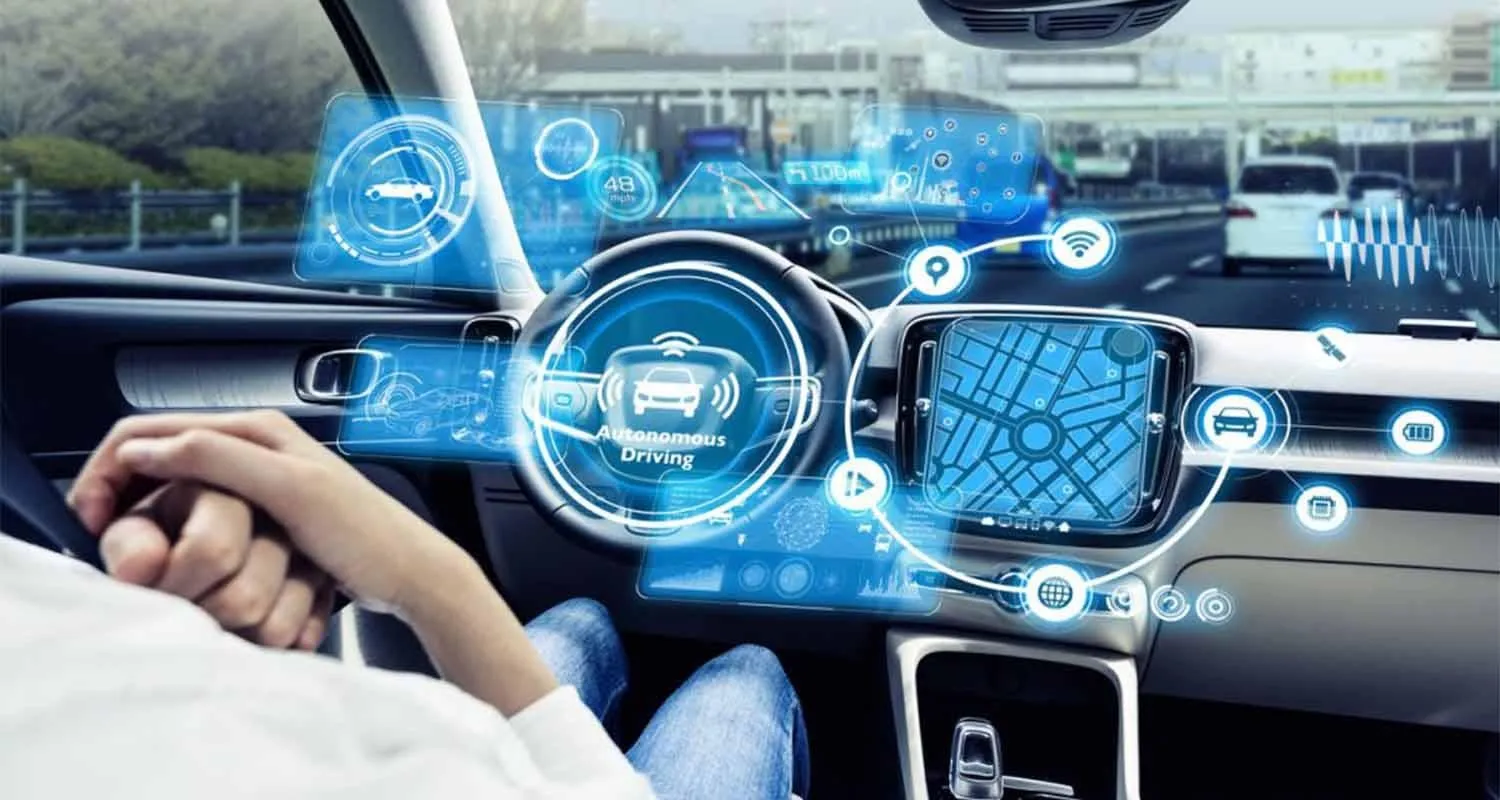
Another exciting dimension of electric vehicle technology is its compatibility with autonomous systems. Electric platforms are easier to integrate with advanced driver-assistance systems and AI-based navigation.
Electric architecture supports large computing systems, sensors, and connectivity tools efficiently. Many manufacturers are building EV platforms specifically designed to accommodate autonomous driving capabilities.
Connected cars can communicate with infrastructure, traffic systems, and even other vehicles. This reduces accidents and improves traffic flow.
As 5G networks expand, electric vehicle technology will likely integrate deeper into smart city ecosystems.
Economic Opportunities and Job Creation
The rise of electric vehicle technology is not only an environmental shift but also an economic transformation. Entire industries are emerging around battery production, charging infrastructure, and software development.
Startups are designing innovative charging solutions. Engineers are developing next-generation battery chemistries. Technicians are being trained to service electric drivetrains.
In regions investing heavily in manufacturing, electric mobility is creating thousands of skilled jobs. Supply chains are being localized to reduce dependency on imports.
Investment in research institutions and technical education ensures that innovation remains continuous and globally competitive.
Challenges Facing Electric Vehicle Technology
Despite rapid progress, challenges remain. Charging infrastructure still needs expansion in rural and remote areas. Battery raw material supply must remain stable and ethically sourced.
Cost remains a concern in developing markets, though falling battery prices are steadily addressing this barrier.
Range anxiety, while decreasing, still influences buyer decisions. Manufacturers are responding with longer-range models and faster charging options.
Grid capacity is another consideration. As EV adoption increases, electricity demand patterns will shift. Strategic planning and renewable energy expansion are essential to support growth sustainably.
The Future Outlook of Electric Vehicle Technology
The next decade will likely redefine transportation entirely. Electric vehicle technology is evolving toward lighter batteries, faster charging, and integrated renewable energy systems.
Hydrogen fuel cell vehicles may complement battery electric vehicles in heavy transport sectors. Meanwhile, advancements in artificial intelligence will make vehicles smarter and safer.
Wireless charging roads and battery swapping networks are already being tested in several countries. These innovations could further simplify ownership.
The long-term vision is not just electric cars replacing gasoline cars. It is a comprehensive mobility ecosystem powered by clean energy and digital intelligence.
Why Electric Vehicle Technology Matters Now
We are at a pivotal moment in transportation history. Fossil fuel dependency is being challenged by cleaner alternatives at an unprecedented scale.
Electric vehicle technology represents more than innovation; it represents responsibility. Cleaner air, reduced greenhouse gas emissions, and sustainable urban development depend heavily on how quickly and effectively we adopt new mobility systems.
For consumers, businesses, and governments alike, embracing electric mobility is both a strategic and ethical choice.
As infrastructure grows and technology matures, electric vehicles will move from early adoption to mainstream dominance. The transformation is already underway, and its momentum continues to build every year.
Read also :-