

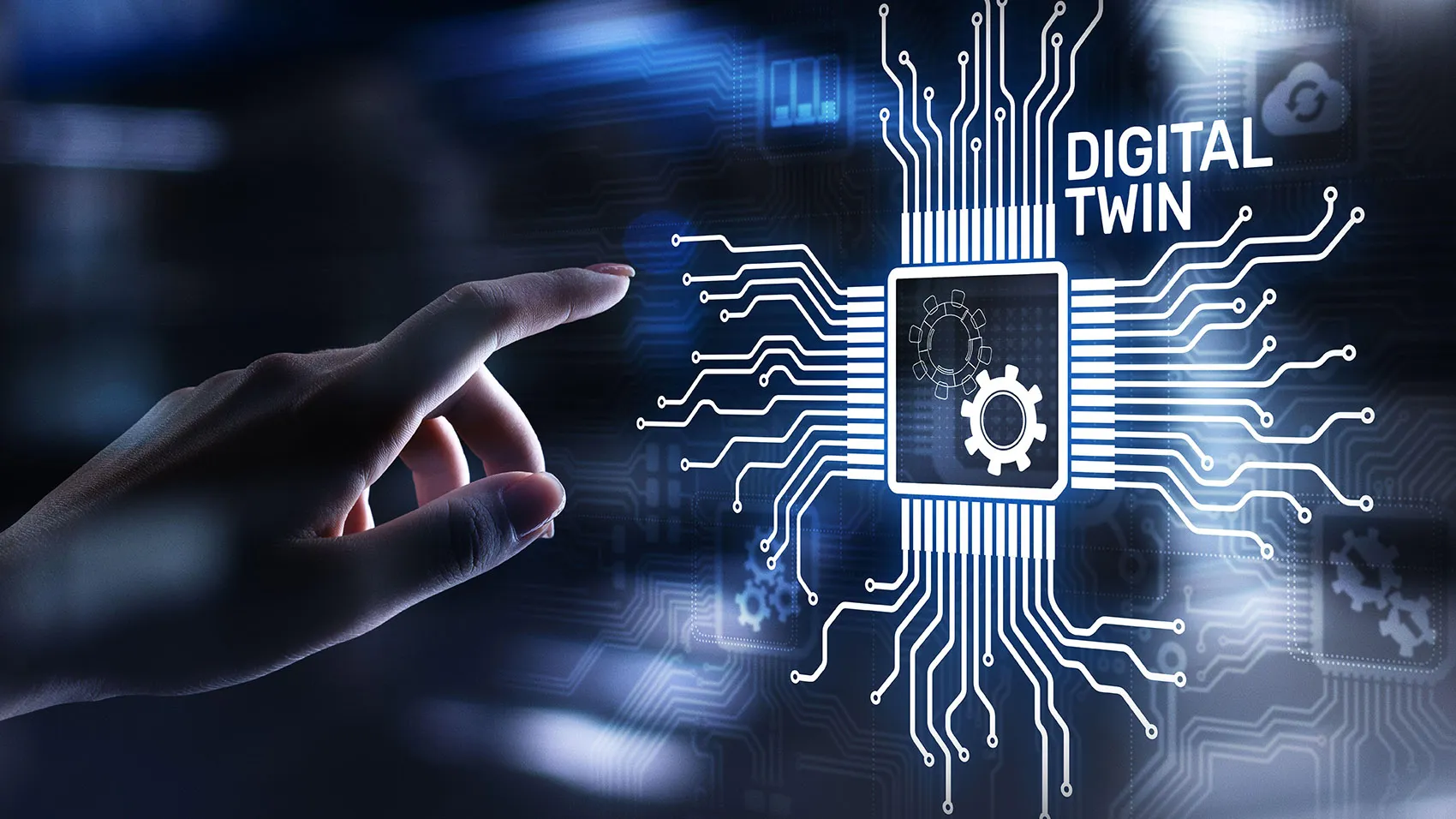
Digital Twins are rapidly transforming industries by bridging the gap between the physical and digital worlds. At their core, digital twins are virtual replicas of physical objects, systems, or processes, allowing businesses to simulate, analyze, and optimize performance in real time. From manufacturing floors to smart cities, Digital Twins provide a level of insight and control previously unimaginable.
Imagine a factory where every machine, conveyor belt, and production line has a virtual counterpart. Engineers can monitor performance, predict maintenance needs, and test operational changes without risking downtime. This is the power of Digital Twins, combining data, analytics, and real-world operations in a seamless digital environment.
What Are Digital Twins?
A Digital Twin is a digital model of a physical entity that receives real-time data to mirror its state, behavior, and performance. These virtual replicas can represent anything from individual devices to entire supply chains, enabling monitoring, simulation, and predictive analysis.
The concept is not limited to industrial applications. Healthcare, urban planning, transportation, and energy management are increasingly leveraging Digital Twins to enhance decision-making. Hospitals can create digital twins of patients to predict treatment outcomes, while city planners simulate traffic flow and energy consumption for smarter urban development.
For example, a wind turbine manufacturer might create a digital twin of each turbine. Sensors collect data on wind speed, temperature, and mechanical stress, feeding it into the digital twin. Engineers can then optimize efficiency, predict failures, and extend the turbine’s lifespan without physically inspecting each unit.
Key Benefits of Digital Twins
Enhanced Operational Efficiency
Digital Twins allow organizations to monitor systems in real time and respond proactively. By analyzing virtual models, companies can identify inefficiencies, optimize workflows, and reduce operational costs.
Predictive Maintenance
Instead of reacting to equipment failure, digital twins enable predictive maintenance. Sensors feed data into virtual models, allowing engineers to anticipate problems and schedule repairs before downtime occurs. This reduces costs and ensures continuity in critical operations.
Innovation and Testing
Digital twins provide a safe environment for testing new strategies, products, or processes. Businesses can simulate changes in the virtual world to assess potential impacts, minimizing risks before applying them physically.
Data-Driven Decision Making
By integrating real-time data with predictive analytics, Digital Twins empower executives to make informed decisions. Companies can model different scenarios, assess outcomes, and adjust strategies dynamically, improving overall decision-making efficiency.
Sustainability and Resource Optimization
Digital twins support sustainable practices by optimizing resource consumption. Energy usage, waste reduction, and supply chain efficiency can be simulated and improved without trial-and-error in the real world.
How Digital Twins Work
The creation of Digital Twins involves several key components: data collection, modeling, simulation, and integration.
Step 1: Data Collection
Physical objects are equipped with sensors that collect real-time data, including temperature, pressure, vibration, and performance metrics. This data forms the foundation of the digital twin.
Step 2: Modeling
Using advanced software, engineers build a virtual replica of the object or system. The model mirrors the physical characteristics, behaviors, and interactions of the real entity.
Step 3: Simulation and Analysis
The digital twin receives continuous data, allowing simulations of various scenarios. Engineers can predict failures, optimize processes, and explore operational improvements without interrupting the real system.
Step 4: Integration and Feedback
Insights from the digital twin are applied back to the physical system. This feedback loop enables continuous improvement, operational efficiency, and proactive problem-solving.
Real-World Applications of Digital Twins
Several industries are experiencing transformation through Digital Twins:
1. Manufacturing: Leading companies use digital twins to monitor machinery, predict failures, and optimize production. For instance, Siemens leverages digital twin technology to enhance factory efficiency and reduce downtime.
2. Healthcare: Hospitals create patient digital twins to simulate treatment plans, predict disease progression, and personalize care, improving outcomes while reducing costs.
3. Smart Cities: Urban planners use digital twins to simulate traffic patterns, energy usage, and infrastructure needs. Cities like Singapore and Dubai implement digital twins to optimize urban planning and sustainability.
4. Automotive: Car manufacturers simulate vehicle performance, crash tests, and maintenance needs using digital twins. Tesla, for example, uses virtual models to monitor vehicles and push software updates that improve performance.
5. Energy Sector: Power plants and wind farms deploy digital twins to monitor energy output, predict maintenance, and optimize resource allocation, ensuring efficiency and sustainability.
Challenges of Implementing Digital Twins
Despite their potential, Digital Twins come with challenges. High implementation costs, complex data integration, and cybersecurity concerns are primary obstacles. Organizations must ensure secure data collection and storage while integrating multiple systems.
Data accuracy is critical. Inaccurate or incomplete sensor data can lead to flawed simulations and poor decision-making. Companies must invest in reliable IoT infrastructure and robust analytics platforms to maximize the value of digital twins.
Additionally, workforce training is essential. Teams need expertise in data analysis, simulation software, and digital twin management to utilize the technology effectively. Without skilled personnel, the full potential of digital twins may remain untapped.
The Future of Digital Twins
The adoption of Digital Twins is accelerating, driven by advancements in IoT, AI, and cloud computing. Future trends include:
-
AI-Enhanced Digital Twins: Machine learning algorithms will make digital twins more intelligent, enabling autonomous decision-making and optimization.
-
Cross-Industry Integration: Digital twins will connect across supply chains, smart cities, and healthcare systems for comprehensive simulation and analysis.
-
Immersive Visualization: AR and VR technologies will allow users to interact with digital twins in immersive environments, improving collaboration and decision-making.
-
Sustainability-Driven Innovation: Digital twins will help companies model sustainable practices, reducing energy consumption and waste while improving efficiency.
Strategies for Businesses Adopting Digital Twins
To successfully implement Digital Twins, businesses should focus on three critical areas: strategy, technology, and talent.
First, clearly define objectives. Identify processes, assets, or systems where digital twins will deliver measurable value, such as predictive maintenance or operational optimization.
Second, invest in reliable data infrastructure. IoT devices, cloud computing, and analytics platforms are essential to collect, process, and analyze real-time data accurately.
Finally, develop talent and skills. Employees must understand digital twin software, data interpretation, and simulation processes to leverage the technology effectively. Continuous training and collaboration between engineers, IT teams, and decision-makers are crucial for success.
Read also :-