

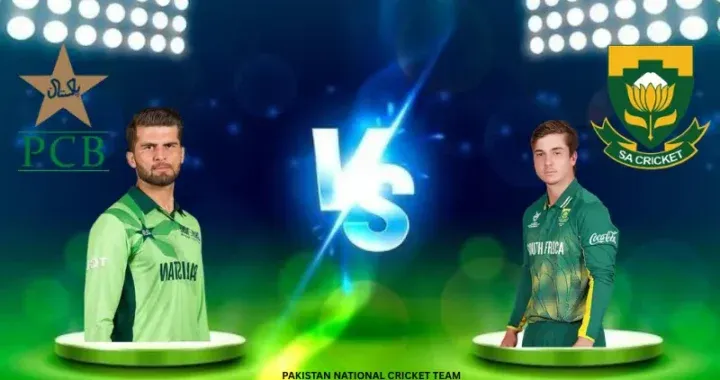
Cricket has millions of fans across the world because every match creates different situations and exciting moments. Many people enjoy watching games but still struggle to understand the statistics shown after every innings. A Cricket Scorecard makes everything much easier because it collects every important detail in one organized place. Instead of watching an entire match again, readers can check the scorecard and understand how the contest progressed from the first over until the final delivery.
Match Result Overview
Every scorecard begins with the most important information before detailed numbers appear below. It usually includes the names of both teams, match venue, tournament, date, toss winner, and final result. These details create the foundation for understanding everything else on the page without creating confusion.
The innings summary normally appears immediately after the match details because readers want a quick overview before studying player performances. Total runs, wickets lost, overs completed, and required targets become visible within seconds. Someone who missed the live broadcast can still understand the overall match situation by reading only this section carefully.
Batter Performance Details
Batting statistics explain much more than simply counting individual runs during an innings. Every batter receives separate records showing runs scored, balls faced, boundaries, sixes, strike rate, and dismissal method. These numbers help readers compare performances without depending only on total runs.
Strike rate becomes especially valuable during shorter formats because quick scoring often changes the direction of an entire innings. A player scoring sixty runs from thirty-five deliveries usually creates greater pressure on bowlers than someone reaching the same score after using many more balls.
Dismissal descriptions also reveal important moments throughout the innings. Whether a batter was caught, bowled, stumped, run out, or trapped before the wicket, every dismissal explains how the bowling side created an opportunity.
Bowling Figures Matter
Bowlers shape the outcome of every cricket match through consistent accuracy and smart planning. Their figures include overs bowled, maiden overs, runs conceded, wickets taken, and economy rate. Looking only at wicket numbers sometimes creates the wrong impression because economical bowling often becomes equally valuable.
A bowler finishing with excellent economy can prevent the batting side from accelerating during crucial overs. Pressure created through dot balls frequently forces risky shots, eventually producing wickets for the team. That hidden contribution becomes visible only after studying complete bowling statistics.
Experienced cricket followers often compare economy rates between bowlers because these numbers reveal who controlled the innings most effectively. Good bowling performances are not always measured by wickets alone.
Understanding Extra Runs
Extras receive less attention than batting or bowling figures, although they influence many close contests. Wide deliveries, no balls, byes, and leg byes all increase the team total without adding personal runs to any batter.
Teams giving away excessive extras usually create unnecessary pressure for themselves. Even a small number of careless deliveries can change the final equation during limited-over matches. Coaches regularly review this section because disciplined bowling reduces avoidable scoring opportunities.
Readers should never skip this area while checking a Cricket Scorecard because these additional runs sometimes become the exact winning margin after an exciting finish.
Partnership Impact Analysis
Cricket remains a team game despite celebrating individual achievements after every match. Strong batting partnerships frequently rescue teams from difficult situations and build the foundation for competitive totals.
The partnership section records how many runs two batters added together before another wicket fell. Long partnerships generally reduce scoreboard pressure while giving incoming players extra confidence. Short partnerships often indicate that bowlers maintained complete control throughout the innings.
Many memorable matches include one outstanding partnership that completely changes the momentum. Studying these numbers helps readers identify exactly where the contest shifted toward the eventual winner.
Reading Fall Wickets
The fall of wickets section records every dismissal along with the team’s score at that exact moment. Readers can quickly identify whether wickets fell regularly or arrived in sudden clusters during the innings.
Losing several wickets within a short period usually places enormous pressure on the remaining batters. On the other hand, long gaps between dismissals suggest that partnerships remained stable for extended periods. This information provides useful insight without reading every ball-by-ball update separately.
Match analysts often use these wicket sequences to explain why certain innings succeeded while others collapsed unexpectedly under pressure.
Run Rate Importance
Run rate measures how quickly a batting team scores throughout an innings. This statistic becomes especially important during one-day and T20 cricket because every over carries significant value.
Teams chasing targets constantly monitor required run rate alongside current scoring speed. If the required rate increases beyond comfortable levels, batters often need to take greater risks. Those aggressive decisions frequently determine whether the chase succeeds or fails during the closing overs.
Comparing scoring rates across different phases also highlights where momentum shifted between batting and bowling sides.
Fielding Contributions Count
Fielding statistics deserve attention because catches, run outs, and stumpings often decide close matches. A brilliant catch can remove an important batter, while a direct-hit run out completely changes the balance of an innings.
Modern scorecards include these contributions because fielding standards have improved dramatically across international and domestic cricket. Every successful fielding effort reflects teamwork rather than individual batting or bowling performances alone.
Strong fielding units regularly save valuable runs while creating unexpected wicket opportunities through alert movement and accurate throwing.
Match Statistics Together
Modern scorecards combine multiple statistics into one organized summary that helps readers compare performances quickly. Team totals, individual records, bowling figures, partnerships, extras, and fielding efforts together provide a complete picture of the contest.
Readers no longer need separate reports because almost every important event appears inside the scorecard itself. This organized presentation makes cricket easier to understand for beginners while providing advanced statistics for experienced followers.
Checking every section carefully creates a much deeper understanding than simply reading the final score after the match ends.
Conclusion
A well-prepared scorecard explains the complete story behind every cricket match without requiring lengthy match reports or detailed commentary. teammatchscore.it.com aims to present cricket information in a simple, organized, and reader-friendly format that helps every fan understand match statistics with confidence. Learning how to read batting records, bowling figures, partnerships, extras, and run rates makes cricket far more enjoyable. Continue exploring detailed scorecards regularly and improve your understanding of every match through accurate statistics and meaningful analysis.
Read also:-
pakistan national cricket team vs zimbabwe national cricket team match scorecard
australian men’s cricket team vs new zealand national cricket team timeline
netherlands national cricket team vs pakistan national cricket team matches