

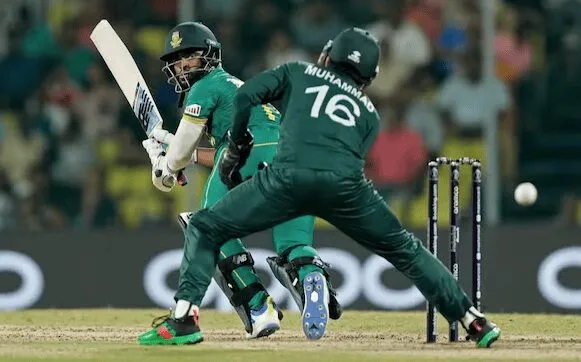
batting first vs chasing in ODI has been one of the most debated tactical questions in one-day international cricket for decades. From World Cup finals to dead-rubber bilateral games, the toss decision often sparks instant discussion among fans, experts, and players alike. Should a team put runs on the board or trust their ability to chase under pressure? The answer is rarely simple, and that is what makes this debate endlessly fascinating.
ODI cricket sits in a unique space between patience and aggression. Fifty overs provide enough time to build an innings, yet not enough to recover from major mistakes. Whether a captain chooses to bat first or chase can shape everything from team selection to batting intent and bowling plans.
Table of Contents
ToggleThe Psychological Weight of Batting First in ODI Cricket
Batting first brings a sense of control. Teams know exactly how many overs they have and can pace their innings accordingly. There is no visible target looming on the scoreboard, only the challenge of setting one that feels out of reach.
In high-pressure tournaments, many captains prefer batting first to avoid the anxiety of a chase. Putting runs on the board allows bowlers to attack with freedom later. Historically, teams defending totals in knockout matches often appear more disciplined and confident.
However, batting first also carries hidden pressure. A slow start or mid-innings collapse can leave a team short of a competitive score, creating regret before the second innings even begins.
Chasing in ODI: The Art of Controlled Aggression
Chasing offers clarity. Batters know the exact target, the required run rate, and how much risk is acceptable at each stage. This transparency allows teams to plan more precisely.
Modern ODI cricket has seen chasing become increasingly popular, especially on flat pitches. With stronger batting line-ups and deeper power-hitting, teams back themselves to hunt down even large totals.
Yet chasing is never stress-free. As wickets fall or the required rate climbs, pressure intensifies. The mental challenge of staying calm while the target ticks closer is what separates great chasing teams from average ones.
Batting First vs Chasing in ODI and Pitch Conditions
Pitch behavior plays a crucial role in this decision. On dry, slow surfaces, batting first is often preferred because conditions tend to worsen as the match progresses. Spinners come into play, and stroke-making becomes harder.
On the other hand, green or fresh pitches may favor chasing if the surface flattens out later. Dew in day-night matches further complicates matters, making chasing more attractive as bowlers struggle with grip.
Understanding pitch evolution is central to mastering batting first vs chasing in ODI decisions. Experienced captains rely heavily on local knowledge and recent match patterns.
Impact of Weather and Day-Night Matches
Weather conditions significantly influence ODI strategy. In day-night games, dew can transform the second innings entirely. A total that looks competitive at 3 pm might feel inadequate under lights.
Rain interruptions also favor chasing due to revised targets under playing conditions. Teams often choose to field first when rain is forecast, trusting mathematical adjustments to work in their favor.
These external factors add layers of complexity to batting first vs chasing in ODI cricket, turning the toss into a strategic gamble rather than a routine call.
Team Composition and Its Influence on the Decision
Not all teams are built the same. A side with explosive openers and reliable middle-order anchors may prefer chasing. Conversely, teams with strong bowlers and disciplined fielding units often lean toward batting first.
Depth in batting also matters. Teams confident of batting till number eight or nine feel safer chasing, knowing collapses can be absorbed.
Captains assess their squad balance carefully before deciding. The best decisions align team strengths with match conditions rather than following trends blindly.
Batting First vs Chasing in ODI During World Cups
World Cups amplify every tactical call. History shows mixed results for both approaches. Some finals have been won defending totals, others by successful chases.
In World Cups, pressure magnifies mistakes. Teams batting first sometimes struggle to judge par scores under stress. Chasing teams may freeze when required rates spike in front of massive crowds.
These moments underline that batting first vs chasing in ODI is not just tactical, but deeply psychological when trophies are at stake.
The Role of Data and Analytics in Modern Decisions
Modern cricket relies heavily on data. Teams analyze venue-specific win percentages, average first-innings scores, and chasing success rates before matches.
Analytics help predict how pitches behave over 100 overs and how certain players perform in chases versus setting totals. This data-driven approach has refined decision-making significantly.
However, numbers never tell the full story. Intuition, experience, and on-ground observation still play crucial roles alongside analytics.
Momentum and Game Flow Considerations
Momentum is an invisible force in cricket. Batting first teams aim to build it gradually, peaking in the final overs. Chasing teams seek to control momentum by staying close to the required rate.
A quick burst of wickets can swing momentum sharply. Teams chasing must manage these swings carefully to avoid panic.
Understanding momentum helps explain why batting first vs chasing in ODI remains unpredictable despite similar conditions.
Pressure Handling: A Defining Factor
Pressure affects players differently. Some thrive knowing the target, while others prefer the freedom of batting without one.
Veteran players often enjoy chasing because they can pace themselves. Younger teams sometimes prefer batting first to avoid scoreboard pressure.
Mental conditioning has become central to preparing teams for both scenarios, especially in crunch matches.
Influence of Powerplays on Strategy
Powerplays shape ODI innings dramatically. Batting first teams aim to maximize early runs without losing wickets. Chasing teams use powerplays to stay ahead of the rate.
How a team navigates powerplays often decides whether batting first or chasing was the right call. A poor powerplay can undo the advantage of either approach.
Captains and coaches plan powerplay strategies meticulously, reflecting their importance in the batting first vs chasing in ODI debate.
Fan Perspective and Entertainment Value
From a fan’s point of view, chases often feel more thrilling. Watching a target being hunted down creates constant engagement until the final ball.
Batting first games can feel slower initially but build tension as the second innings unfolds. Both formats offer drama, just in different rhythms.
This entertainment factor influences broadcasters and scheduling, subtly shaping modern ODI cricket trends.
Historical Shifts in ODI Strategy
In earlier eras, batting first was generally preferred due to unpredictable pitches and limited batting depth. As fitness, skills, and equipment improved, chasing gained popularity.
Rule changes, such as fielding restrictions and improved pitch preparation, have further tilted the balance toward chasing in some regions.
Yet the pendulum continues to swing, proving that batting first vs chasing in ODI remains context-driven rather than era-bound.
Captaincy and On-Field Leadership
A captain’s confidence heavily influences the toss decision. Leaders back their instincts and communicate clarity to the team.
Great captains are remembered for bold calls that paid off, whether choosing to bat or chase against conventional wisdom.
This leadership aspect reinforces the idea that strategy in ODI cricket is as much about belief as it is about logic.
Trust, Experience, and EEAT in Analysis
Expert analysis of batting first vs chasing in ODI relies on experience and credibility. Former players bring insight into dressing-room dynamics, while analysts add statistical depth.
Trustworthy content balances data with lived experience. Readers value perspectives grounded in real matches rather than abstract theories.
That balance reflects strong EEAT principles, ensuring analysis feels authentic, reliable, and actionable.
Batting First vs Chasing in ODI Across Different Regions
Subcontinent conditions often favor chasing due to dew and flat pitches. In contrast, seaming conditions in some countries make batting first attractive.
Regional patterns influence team strategies and even squad selection. Touring teams must adapt quickly to local trends.
Understanding these regional nuances is essential for accurate evaluation of batting first vs chasing in ODI cricket.
The Unchanging Core of the Debate
Despite evolving strategies and technology, the core question remains unchanged. Cricket is a game of uncertainty, and no formula guarantees success.
What works on one day may fail on another. That uncertainty keeps ODI cricket compelling and strategically rich.
The enduring debate around batting first vs chasing in ODI continues to define captaincy, shape narratives, and fuel discussions among fans worldwide.
Read also :-
rcb ka baap kaun team hai
मुंबई इंडियंस बनाम पंजाब किंग्स मैच का स्कोरकार्ड
राजस्थान रॉयल्स वि गुजरात टायटन्स सामन्याचे स्कोअरकार्ड
sri lanka a vs bangladesh a match scorecard
chhattisgarh cricket team vs jharkhand cricket team match scorecard
vidarbha cricket team vs kerala cricket team players
सनरायझर्स हैदराबाद वि मुंबई इंडियन्स ची क्रमवारी
india national cricket team vs bangladesh national cricket team stats