

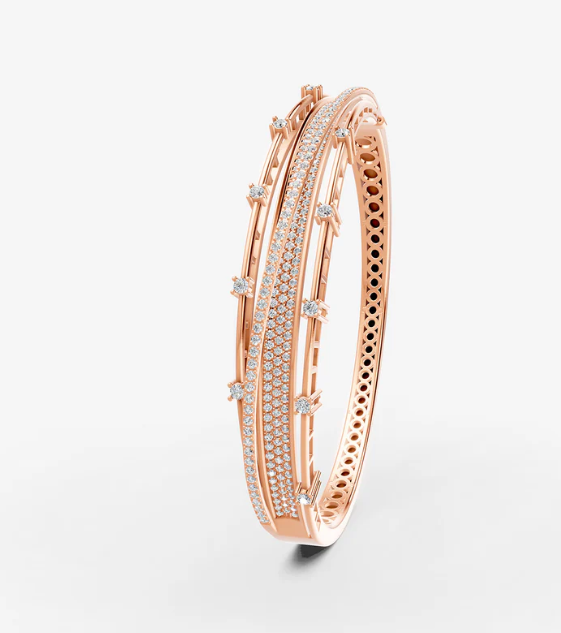
A jewelry collection feels connected when its pieces share a clear idea without looking exactly alike. The theme might come from natural shapes, geometric patterns, a particular color family, or a certain architectural style. On bestsimpledesign.com, readers can explore ways to develop a collection that feels coordinated while still giving each piece its own character. A strong theme helps designers make consistent decisions about shape, materials, and decorative details throughout the collection.
Find A Useful Theme
A theme should provide direction without restricting every creative choice. Nature-inspired jewelry may use leaf patterns, flowing lines, or colors drawn from stones and plants. A geometric collection might focus on circles, squares, repeated angles, and clean metal surfaces. The theme can be broad enough to support several designs, but it should remain clear enough to guide the main decisions.
Designers can begin by collecting references, sketches, colors, and material samples that express the same general idea. The purpose is not to copy one reference exactly. Instead, these materials help identify the shapes and details that belong together. If the theme becomes too broad, the collection may lose its identity. If it becomes too narrow, every piece may look nearly identical. A useful middle ground allows variation while preserving a recognizable visual direction.
Create Shared Design Features
Collections often feel connected through repeated features rather than identical shapes. A designer might repeat a curved line, a textured metal finish, a particular stone color, or a distinctive setting style. These elements create a relationship between pieces even when their sizes and purposes differ. A necklace, ring, and pair of earrings can share the same design language without repeating the same arrangement.
Choose a small number of features that can appear naturally across the collection. Too many repeated details may make every piece look predictable. A single recognizable element can be enough when it is used thoughtfully. Designers should also decide which features can change. For example, stone colors may vary while the metal texture remains consistent. This approach gives customers options without losing the connection between the designs.
Build A Coordinated Palette
Color can help establish the identity of a collection. A set inspired by the ocean might use blue, green, silver, and clear stones. A collection based on warm autumn colors could feature amber, brown, muted red, and gold-toned materials. These palettes are starting points, not strict formulas, because the final choices should suit the intended audience and materials.
A limited palette makes coordination easier across different jewelry types. It also allows customers to combine pieces without worrying that every item will compete visually. Designers can introduce small variations in shade to keep the collection interesting. Before selecting all the materials, compare actual samples under normal lighting. Digital images may not show colors accurately, and certain finishes can change how nearby stones appear. Testing the palette early helps maintain consistency throughout production.
Vary The Piece Types
A collection should offer enough variety to meet different needs. Some customers may prefer small earrings for daily use, while others may look for a pendant, bracelet, or statement ring. If every item has the same size and visual weight, the collection may feel repetitive even when its colors differ. Different product types can expand the collection without abandoning its main theme.
Variation should still follow the shared design features. A small pendant may use one element from the theme, while a larger necklace can explore it in greater detail. Rings might repeat the same texture or shape in a more compact form. Designers should consider how the pieces look individually and when worn together. A coordinated collection needs flexibility, not just matching items that must always be purchased or worn as a set.
Plan Materials And Production
Material planning becomes more important when several designs belong to one collection. Shared stones, metal finishes, chains, and fastenings can simplify purchasing and help maintain a consistent appearance. However, designers should not select materials only because they can be used everywhere. Each component still needs to suit the weight, structure, and intended use of the individual piece.
Production methods also influence the collection. Some designs may require specialist settings, while others can be assembled using simpler techniques. It helps to identify these differences before setting a production schedule or deciding which pieces should be released first. Testing a sample can reveal whether the design is practical to make repeatedly. It can also expose problems with sizing, finishing, or material availability before the entire collection is produced.
Keep The Collection Flexible
A useful theme can support future designs when its main features are clear. Designers may introduce new colors, sizes, or stone combinations while retaining the recognizable elements of the original collection. This allows the range to grow without making every new piece feel unrelated. Seasonal additions can also work when they remain connected to the central design idea.
Flexibility requires knowing which elements define the collection and which ones are optional. If every feature changes at once, the new pieces may lose their connection with earlier designs. If nothing changes, customers may see little reason to explore the new release. A clear theme gives designers a stable foundation while leaving enough room for experimentation. Reviewing the full collection periodically can reveal gaps and opportunities for useful additions.
Conclusion
A coordinated jewelry collection begins with a clear theme, shared design features, and a considered color palette. Different pieces can still feel connected when their materials, textures, and proportions follow the same general direction. Readers using bestsimpledesign.com for jewelry inspiration can apply these ideas when planning small collections or expanding an existing range. The aim is to create variety without losing identity, giving each piece its own purpose while keeping the collection visually related.
Read also :-
male mehndi design simple arabic