

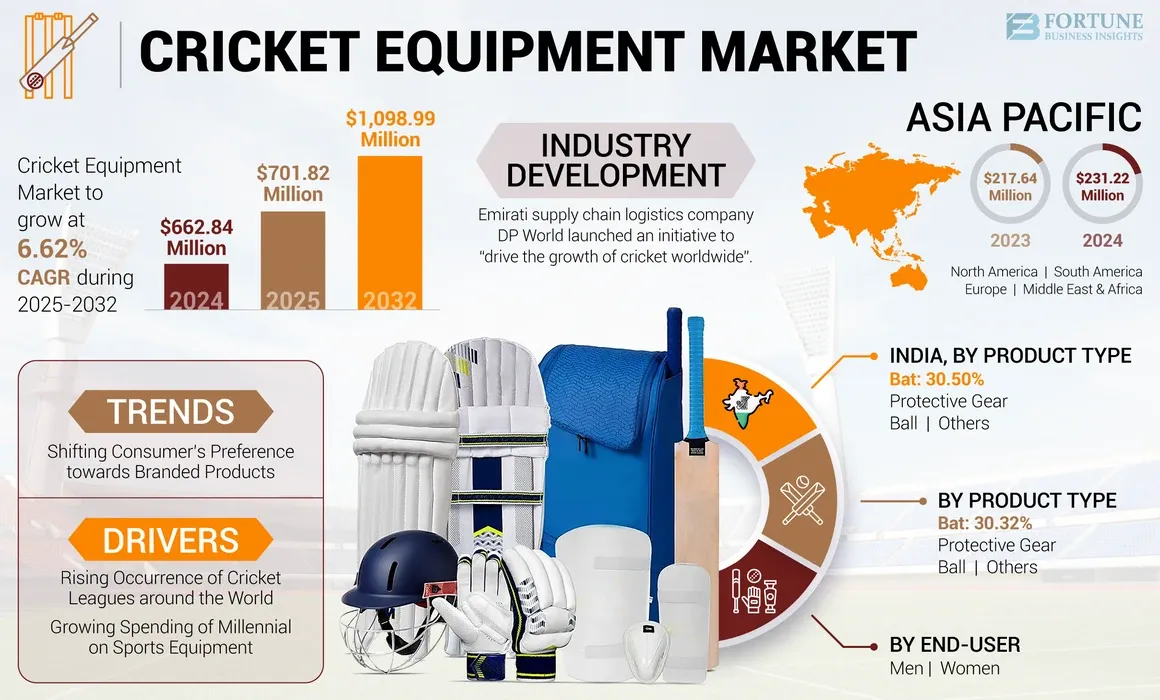
Sustainable cricket equipment trends are transforming how the sport is played, manufactured, and experienced. As climate awareness grows across industries, cricket—one of the world’s most beloved sports—is embracing greener innovations that reduce environmental impact without sacrificing performance. From eco-conscious bats to recyclable protective gear, sustainability is no longer a niche concept but a powerful movement reshaping cricket’s future.
Cricket fans today care not only about runs, wickets, and records but also about the planet. Brands, players, and governing bodies are responding to this shift with smarter materials, ethical manufacturing processes, and circular economy initiatives. This article explores the rise of sustainable cricket gear, why it matters, and how it’s changing the game for professionals and grassroots players alike.
The Growing Demand for Eco-Friendly Sports Gear
The global sports equipment market is undergoing a massive transformation driven by environmental awareness. Consumers are increasingly questioning where products come from, how they are made, and what happens when they are discarded. Cricket equipment manufacturers, traditionally reliant on natural wood, leather, and synthetic plastics, are now rethinking every stage of production.
Cricket’s popularity in countries like India, Australia, England, and South Africa means millions of bats, balls, pads, and helmets are produced each year. This scale makes sustainability both a challenge and an opportunity. Reducing carbon footprints, minimizing waste, and ensuring ethical sourcing can significantly impact the environment.
Athletes and influencers are also amplifying the message. When professional players endorse sustainable gear, it encourages young players and clubs to follow suit. This shift reflects a broader cultural movement where performance and responsibility go hand in hand.
Sustainable Cricket Bats: Beyond Traditional Willow
Cricket bats have long been made from English or Kashmir willow, prized for its lightweight and durability. However, willow farming requires land, water, and time, making it an environmentally sensitive resource. Manufacturers are now exploring alternative materials and sustainable sourcing methods.
One major innovation is responsibly sourced willow. Some companies work with certified farms that use sustainable forestry practices, ensuring trees are replanted and ecosystems are protected. This approach maintains tradition while reducing ecological damage.
Another emerging trend is composite bats made from recycled carbon fiber or bio-based resins. These bats are designed to match the performance of traditional willow while offering longer lifespans and reduced material waste. Though still controversial among purists, composite bats are gaining traction in training and amateur leagues.
Hybrid bats, combining sustainable wood with recycled synthetic materials, are also entering the market. These designs aim to reduce reliance on virgin resources while maintaining the feel and balance players expect.
Eco-Friendly Cricket Balls and Materials Innovation
Cricket balls have traditionally been made from leather and cork, stitched by hand in many regions. While this craftsmanship is part of cricket’s heritage, it often involves labor-intensive processes and animal-derived materials.
New Sustainable cricket equipment trends include vegan cricket balls made from plant-based leather alternatives. These materials mimic the durability and grip of traditional leather while eliminating animal products. They are especially popular in practice sessions and junior leagues.
Recycled rubber and cork composites are also being tested to reduce waste and improve ball consistency. Some manufacturers are experimenting with biodegradable coatings that reduce microplastic shedding during play.
These innovations demonstrate that sustainability does not mean compromising quality. Instead, it opens doors to smarter, cleaner, and more ethical production methods.
Protective Gear Made from Recycled and Bio-Based Materials
Pads, gloves, helmets, and chest guards are essential for player safety, but they often rely heavily on synthetic plastics and foams derived from fossil fuels. The industry is now moving toward greener alternatives.
Recycled plastics are being used to create protective shells for helmets and guards. These materials are sourced from discarded bottles, packaging, and industrial waste, giving new life to materials that would otherwise end up in landfills or oceans.
Bio-based foams derived from plant oils and natural fibers are replacing traditional petroleum-based foams in pads and gloves. These materials provide similar cushioning and durability while significantly reducing carbon emissions.
Some brands are designing modular protective gear that can be repaired or upgraded instead of discarded. This approach supports a circular economy and extends the lifespan of equipment, reducing overall waste.
Ethical Manufacturing and Fair Labor Practices
Sustainability goes beyond materials. It also includes how products are made and who makes them. Cricket equipment production has historically relied on small workshops and manual labor, particularly in South Asia. While this tradition supports local economies, it has also raised concerns about worker safety and fair wages.
Modern Sustainable cricket equipment trends emphasize ethical manufacturing practices. Brands are partnering with certified factories that ensure safe working conditions, fair pay, and no child labor. Transparency in supply chains is becoming a key selling point for conscious consumers.
Some companies share stories of artisans who craft bats and balls, highlighting their skills and ensuring they receive fair compensation. This human-centered approach aligns with the principles of Environmental, Social, and Governance (ESG) and strengthens trust with customers.
Circular Economy in Cricket Equipment
The concept of a circular economy is gaining momentum in sports gear manufacturing. Instead of a linear model of “make, use, discard,” companies are designing products for reuse, recycling, and refurbishment.
Cricket brands are launching take-back programs where old bats, pads, and helmets can be returned for recycling or repurposing. Materials are separated and reused in new products, reducing the need for virgin resources.
Some clubs and academies are adopting equipment-sharing models, where gear is rented or shared among players. This approach reduces overproduction and makes cricket more accessible to beginners.
Repair services are also becoming popular. Instead of buying a new bat or pad, players can repair damaged equipment, extending its lifespan and reducing waste. This mindset shift encourages responsible consumption and supports sustainability goals.
Sustainable Packaging and Logistics
Packaging is another area where cricket equipment brands are making eco-friendly changes. Traditional plastic packaging is being replaced with recycled cardboard, biodegradable wraps, and minimalistic designs.
Shipping logistics also contribute significantly to carbon emissions. Some manufacturers are optimizing supply chains by sourcing materials locally and using carbon-neutral shipping options. Others are investing in renewable energy for warehouses and production facilities.
These behind-the-scenes efforts may not be visible to consumers, but they play a crucial role in reducing the overall environmental footprint of cricket equipment.
Player and Fan Influence on Sustainable Choices
Cricket players have immense influence over fans and young athletes. When high-profile players endorse sustainable gear or speak about environmental responsibility, it creates a ripple effect across the community.
Grassroots initiatives, such as eco-friendly cricket tournaments and green stadium practices, are also promoting sustainable behavior. Fans are encouraged to recycle, reduce plastic use, and support eco-conscious brands.
Storytelling plays a powerful role here. When players share personal stories about why they choose sustainable gear—whether to protect the environment or support ethical labor—it humanizes the movement and inspires others to follow.
The Role of Technology in Sustainable Cricket Gear
Technology is driving many of the innovations behind Sustainable cricket equipment trends. Advanced materials science, 3D printing, and data analytics are helping manufacturers design lighter, stronger, and more sustainable products.
3D printing allows for precise manufacturing with minimal waste. Custom-fitted protective gear can be produced on demand, reducing overproduction and inventory waste.
Smart materials that adapt to temperature, impact, and moisture are also being developed. These materials improve performance while using fewer resources, aligning sustainability with innovation.
Digital platforms are helping brands track supply chains, measure carbon footprints, and communicate transparency to consumers. This data-driven approach strengthens credibility and supports EEAT principles.
Sustainable Cricket Equipment for Grassroots and Youth Players
Sustainability is not limited to professional cricket. Youth academies, schools, and local clubs are increasingly adopting eco-friendly equipment. Affordable sustainable gear makes cricket accessible while promoting environmental responsibility among young players.
Some organizations are donating refurbished equipment to underprivileged communities, reducing waste and encouraging participation in sports. This social impact aspect is a key component of sustainable development.
Educational programs are teaching young cricketers about sustainability, from recycling gear to respecting nature. These initiatives ensure that the next generation of players grows up with a sustainability mindset.
Challenges and Criticism in Sustainable Cricket Gear
Despite its growth, sustainable cricket equipment faces challenges. Traditionalists argue that alternative materials may alter the game’s feel and performance. Cost is another concern, as sustainable materials and ethical manufacturing can be more expensive.
There is also the risk of greenwashing, where brands claim sustainability without substantial evidence. Consumers must rely on certifications, transparency reports, and credible endorsements to make informed choices.
However, as technology advances and demand increases, costs are expected to decrease, and sustainable gear will become mainstream rather than premium.
Sustainable Cricket Equipment Trends in Professional Leagues
Professional leagues and cricket boards are beginning to incorporate sustainability into their policies. Some tournaments are exploring eco-friendly match balls, recyclable signage, and green stadium initiatives.
Equipment sponsors are highlighting their sustainable product lines during international matches, raising awareness among millions of viewers. This visibility accelerates adoption and normalizes sustainable practices in the sport.
As governing bodies set sustainability targets, equipment manufacturers will continue to innovate and align with these goals.
The Business Case for Sustainable Cricket Equipment
Sustainability is not just an ethical choice; it’s a business opportunity. Consumers are willing to pay more for eco-friendly products, and brands that lead in sustainability gain a competitive advantage.
Investors and stakeholders are increasingly evaluating companies based on ESG criteria. Cricket equipment brands that demonstrate environmental and social responsibility attract partnerships, sponsorships, and loyal customers.
Innovation in sustainable materials also opens new markets and product categories, driving growth and profitability.
Real-Life Example: A Sustainable Cricket Brand Story
Consider a small cricket equipment brand in India that started using certified Kashmir willow and recycled packaging. The founder, a former club cricketer, wanted to reduce waste and support local farmers. By partnering with sustainable farms and ethical workshops, the brand gained recognition among eco-conscious players.
Social media storytelling played a key role in their success. They shared videos of farmers planting willow saplings and artisans crafting bats. This transparency built trust and emotional connection with customers.
Within a few years, the brand expanded globally, proving that sustainability and business success can go hand in hand.
How Players Can Support Sustainable Cricket Equipment
Players can contribute to sustainability by choosing eco-friendly gear, maintaining equipment properly, and repairing instead of replacing. Supporting brands that prioritize ethical practices sends a strong message to the industry.
Clubs and academies can adopt equipment-sharing programs, recycling initiatives, and sustainability education. Fans can influence sponsors and teams by expressing demand for green products.
Every bat swing and every purchase decision can contribute to a more sustainable cricket ecosystem.
The Future of Sustainable Cricket Equipment Trends
The future of Sustainable cricket equipment trends is promising and transformative. As technology advances, materials become more sustainable, and awareness grows, cricket is poised to become a leader in eco-friendly sports practices.
We can expect more biodegradable materials, smart recycling systems, and carbon-neutral manufacturing processes. Collaboration between brands, players, and governing bodies will accelerate progress.
Sustainability will not be a separate category but an integral part of cricket’s identity. The sport’s rich tradition will blend with modern responsibility, ensuring cricket thrives for generations to come.
Sustainable cricket equipment trends represent more than just a shift in materials; they symbolize a commitment to the planet, people, and the future of the game. By embracing innovation, ethical practices, and circular economy principles, cricket is evolving into a sport that respects both performance and sustainability.
Sustainable cricket equipment trends are not just a passing trend; they are shaping the next era of cricket, where every bat, ball, and pad tells a story of responsibility and progress.
Read also:-
india national cricket team vs pakistan national cricket team timeline
new zealand national cricket team vs sri lanka national cricket team match scorecard
england cricket team vs india national cricket team match scorecard
sharjah warriors vs desert vipers match scorecard
india national cricket team vs pakistan national cricket team timeline
mumbai cricket team vs vidarbha cricket team stats